

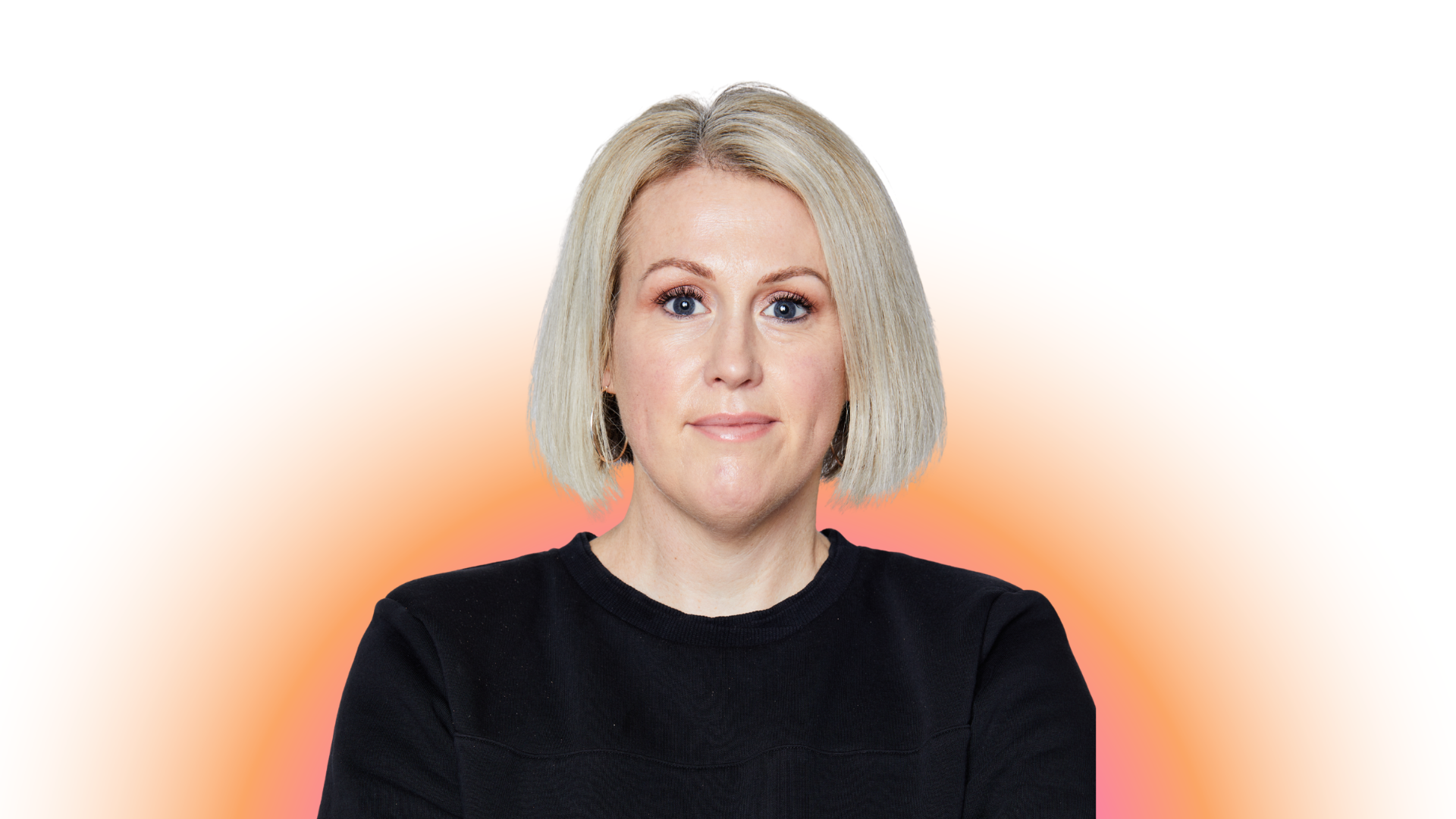
The age-old industry debate about creativity, culture and where Consumer PR fits within modern marketing has reignited recently. We sat down with PrettyGreen's Chief Growth Officer, Lucy Mart, to discuss why she believes the real issue isn't creativity at all, it's positioning.
Q: You've said Consumer PR has a positioning problem. That's quite a bold statement. What do you mean?
For an industry built on influencing conversations, shaping reputations and earning attention, Consumer PR has done a remarkably poor job of communicating its own value.
For years we've talked about outputs instead of outcomes.
Coverage instead of commercial impact.
Amplification instead of audience behaviour.
Channels instead of challenges.
The result is that, as marketing disciplines continue to merge, collide and evolve, Consumer PR is still too often seen as the channel that amplifies someone else's idea, rather than helping create it.
That's not because we lack the capability. It's because we've positioned ourselves that way.
Q: So you don't think the issue is creativity?
Not at all.
Consumer PR is full of some of the most creative thinkers in marketing.
The issue is that we've become very good at selling our outputs instead of our thinking.
CMOs don't wake up asking, "Who can get me some coverage?"
They wake up asking:
"My brand has lost relevance."
"Our market share is under pressure."
"We're struggling to reach a new audience."
"Our category has become commoditised."
Those are commercial problems.
The agencies that get invited into those conversations are the ones positioned as strategic partners, not channel specialists.
Q: The debate about creativity, culture and where Consumer PR fits within modern marketing was reignited recently - what are your thoughts on this?
I think its an important conversation, but people focus on the wrong things to debate.
A lot of the PR industry's reaction centred around defending PR.
I don't think PR needs defending.
Consumer PR is brilliant.
If anything, the fact that we're now seeing advertising agencies hiring heavyweight PR expertise is proof of how valuable the discipline has become.
The question isn't whether Consumer PR has value.
It's why we've allowed others to define that value for us.
Q: You talk a lot about 'commercial challenges' rather than 'PR briefs'. What's the difference?
The best briefs rarely arrive labelled "PR."
They arrive as growth challenges.
A brand has lost relevance.
Growth has stalled.
Consumer behaviour has changed.
A competitor is winning attention.
That's where Consumer PR is at its best.
When we stop thinking about channels and start thinking about people, culture and behaviour, we can develop ideas that genuinely influence commercial outcomes.
That's a very different conversation from simply asking how many pieces of coverage a campaign generated.
Q: Why do you think Consumer PR has become comfortable talking about being cost-effective?
This is probably my biggest frustration.
I judge PR awards and regularly see incredible Creative PR campaigns delivered on tiny budgets.
People celebrate that.
I find it quite depressing.
Don't get me wrong—the ingenuity is remarkable.
But we've somehow convinced ourselves that doing more with less is something to aspire to, rather than asking why brilliant strategic thinking is so often expected to come at a discount.
No other creative discipline celebrates being undervalued in quite the same way.
Q: So where do you think the industry goes from here?
I think we stop arguing about whether creativity belongs to PR, advertising, social or influencer marketing.
Marketers have already moved on.
They're asking a different question:
"How do I invest my budget to deliver brand-building and commercial performance?"
That's the conversation Consumer PR should be leading.
The future doesn't belong to agencies defined by channels.
It belongs to agencies that can identify a business challenge, build a culturally relevant idea around it and prove that it delivers commercial value.
That's where Consumer PR has an incredible opportunity.
But it starts with recognising that our biggest challenge isn't creativity, talent or capability.
It's positioning.
About Lucy Mart
Lucy Mart is Chief Growth Officer at PrettyGreen, where she leads the agency's growth strategy and proposition development. She believes Consumer PR has the opportunity to become one of the most commercially valuable disciplines in marketing—but only if it starts positioning itself as a driver of business growth, not simply a channel for amplification. She recently explored these themes in her PRmoment opinion piece, "Consumer PR Has a Positioning Problem.